Optimal Timing for Lawn Rototilling
Lawn rototilling is most effective during specific times of the year to ensure optimal soil preparation and lawn health. The ideal timing depends on the climate and the specific goals of the project, such as preparing for new planting or renovating an existing lawn. Proper timing can lead to better soil aeration, weed control, and nutrient distribution.
Spring is a popular time for lawn rototilling as it prepares the soil for new grass growth and helps eliminate winter debris.
Fall offers an opportunity to aerate and loosen soil before winter, promoting healthy root development for the next season.
Rototilling after landscaping or construction projects can help restore soil quality and manage disturbed areas effectively.
Timing rototilling after soil testing ensures amendments are well incorporated, improving soil fertility and structure.
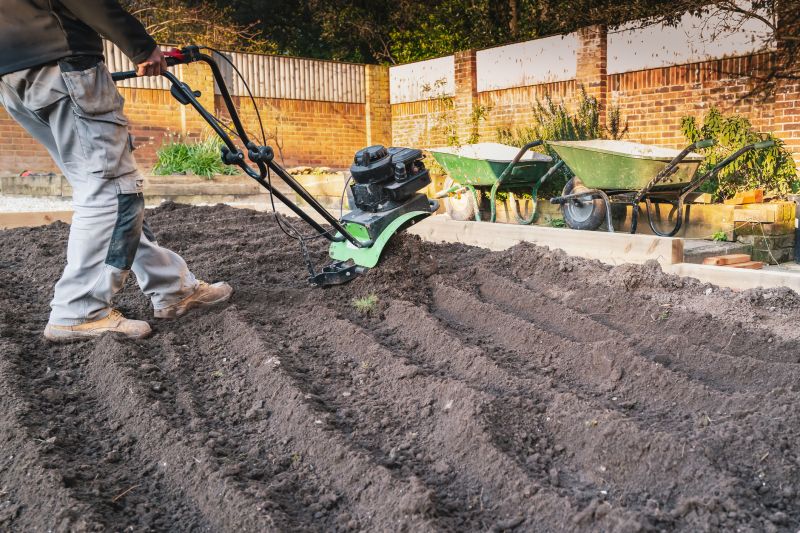
Rototilling in spring helps loosen compacted soil and prepares it for seeding.

Fall rototilling promotes soil aeration and nutrient mixing for healthy spring growth.
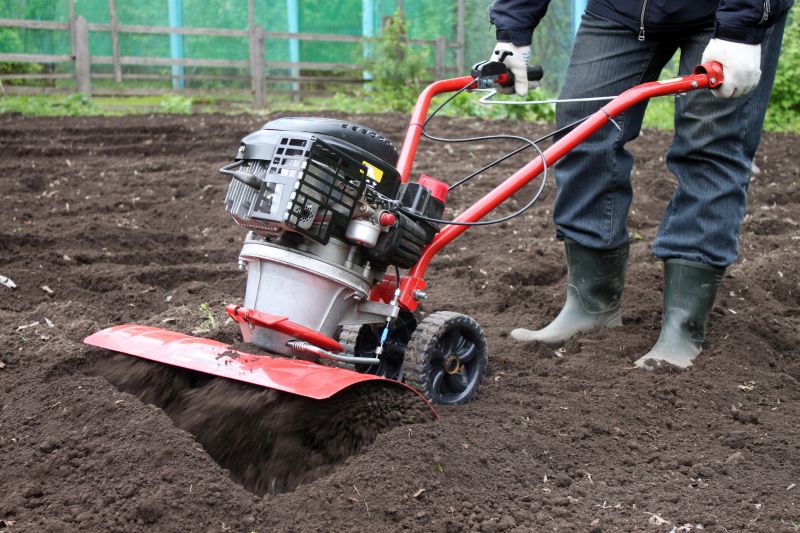
Rototilling after construction restores soil quality and manages debris.
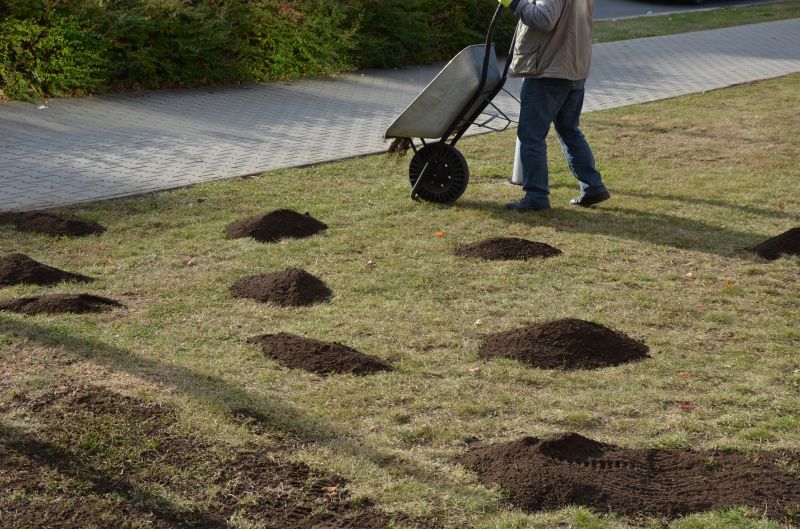
Ways to make Lawn Rototillings work in tight or awkward layouts.
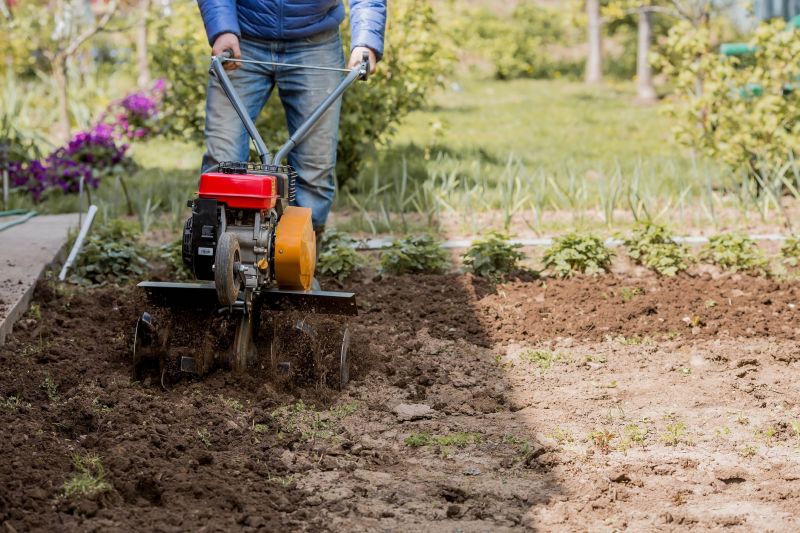
Popular materials for Lawn Rototillings and why they hold up over time.

Simple add-ons that improve Lawn Rototillings without blowing the budget.
Lawn rototilling involves turning and loosening the soil to improve aeration, facilitate nutrient absorption, and prepare the ground for planting or reseeding. It can significantly impact the health of a lawn by breaking up compacted soil layers and reducing weed growth. Proper timing ensures the soil is in the best condition for these benefits, avoiding issues like soil erosion or seedling damage.
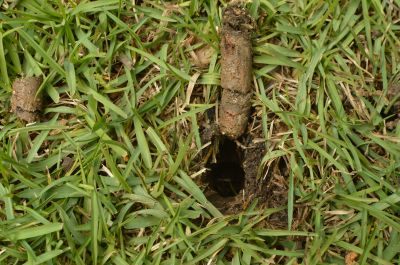
Rototilling creates a loose soil structure ideal for seed germination.
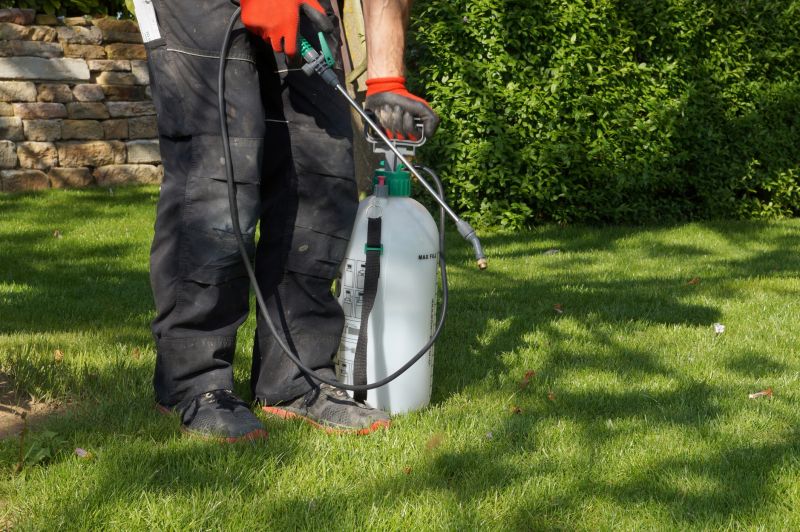
Proper timing helps reduce weed proliferation through soil disturbance.
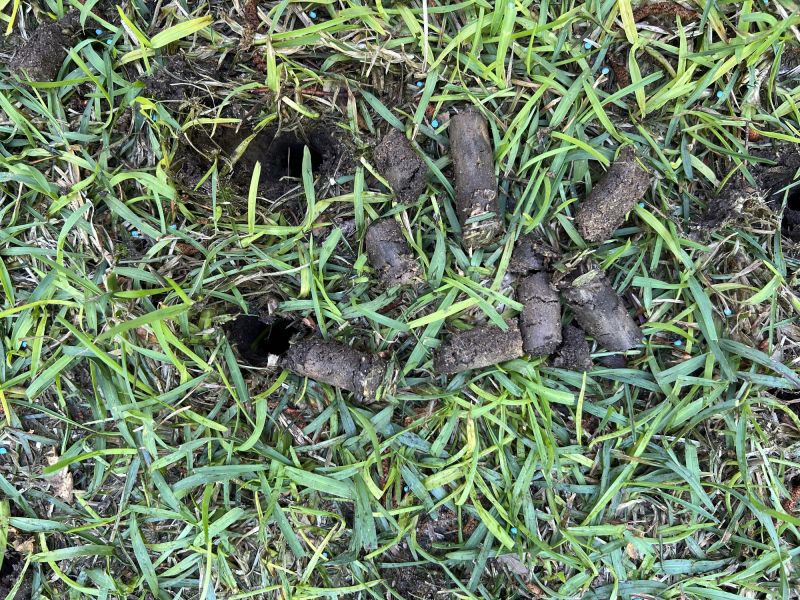
Aeration improves root growth and nutrient uptake.
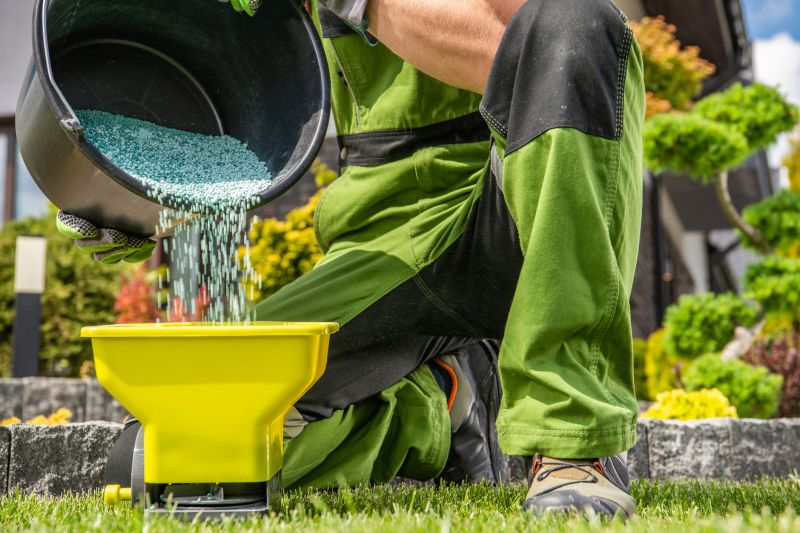
Rototilling mixes amendments evenly into the soil for better nourishment.
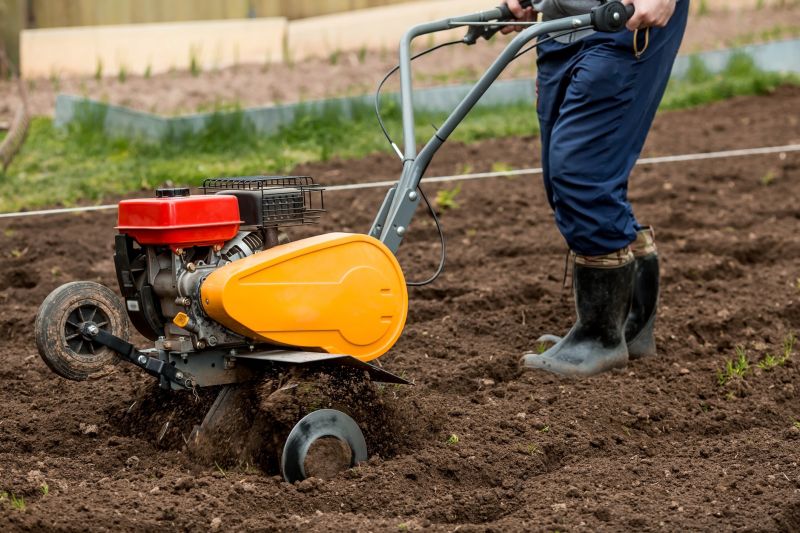
High-end options that actually feel worth it for Lawn Rototillings.

Finishes and colors that play nicely with Lawn Rototillings.
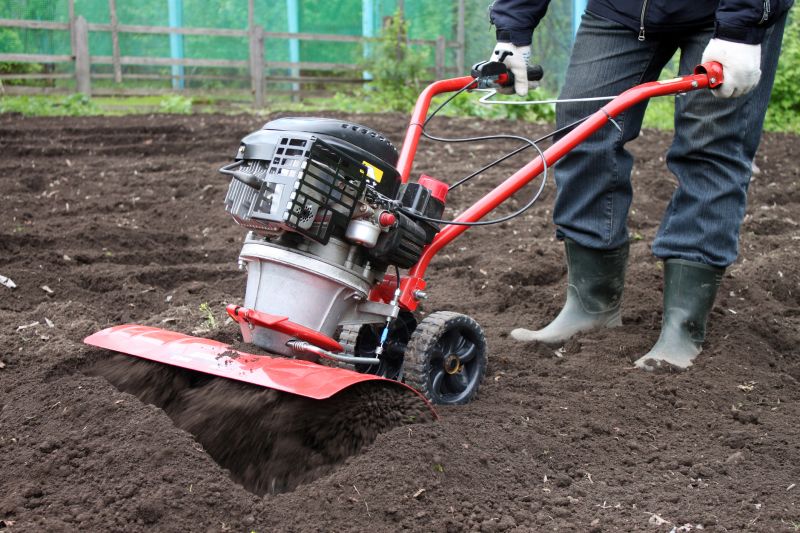
Little measurements that prevent headaches on Lawn Rototillings day.
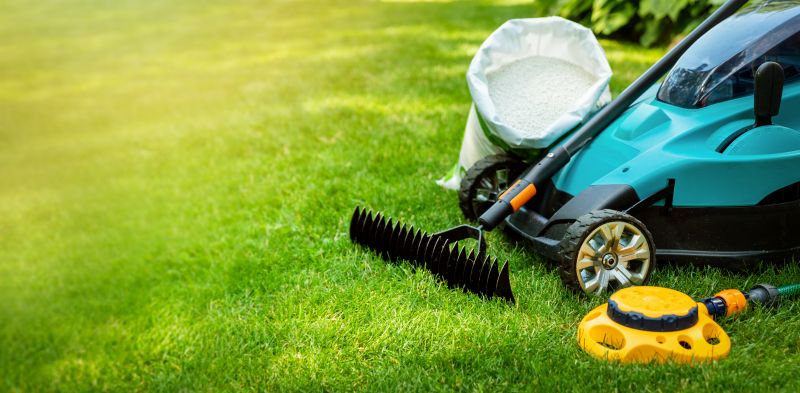
A 60-second routine that keeps Lawn Rototillings looking new.
| Season | Best Practices |
|---|---|
| Spring | Ideal for preparing soil for seeding and lawn establishment. |
| Fall | Suitable for aeration and soil conditioning before winter. |
| Post-Construction | Helps restore soil health after landscaping activities. |
| Climate Considerations | Timing varies based on regional climate conditions. |
| Soil Testing | Best after testing to incorporate amendments effectively. |
Understanding the optimal timing for lawn rototilling can enhance soil health and promote a lush, healthy lawn. Properly timed rototilling allows for better soil aeration, weed management, and nutrient integration. Consulting local climate conditions and soil status can help determine the most suitable period for this landscaping activity.
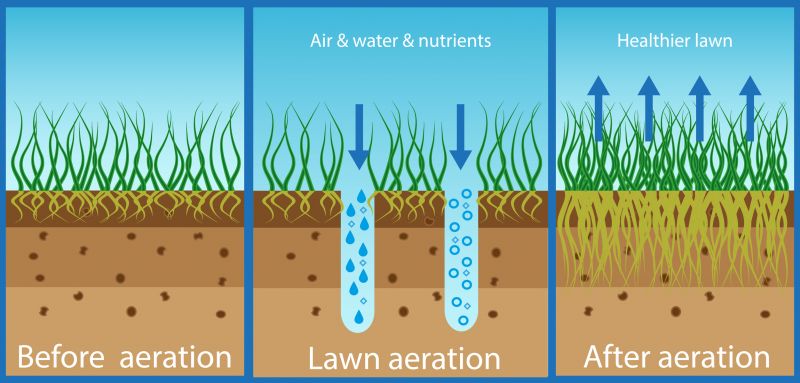
Rototilling promotes soil vitality and prepares it for planting.
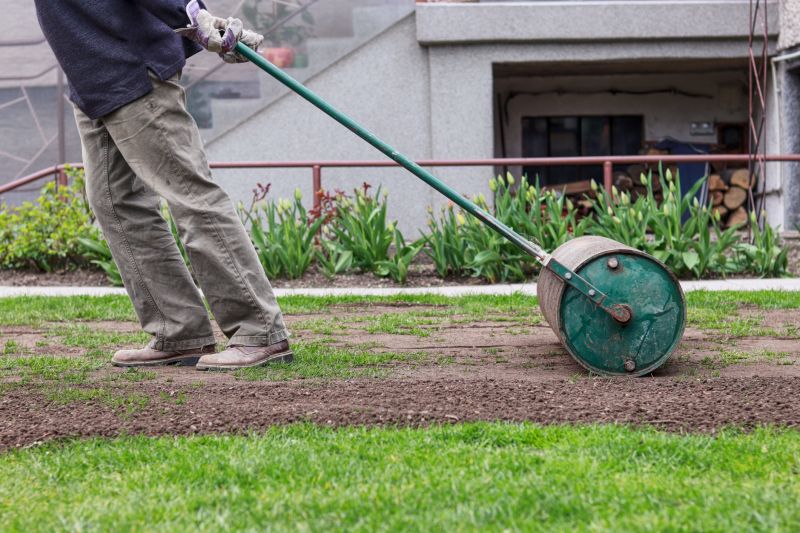
Effective in revitalizing overgrown or compacted lawns.
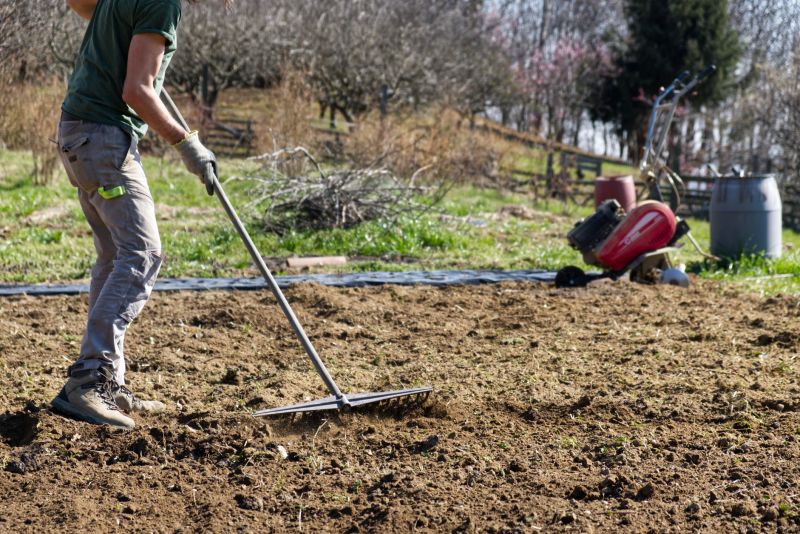
Ensures even distribution of nutrients and amendments.
A frequent mistake in Lawn Rototillings and how to dodge it.
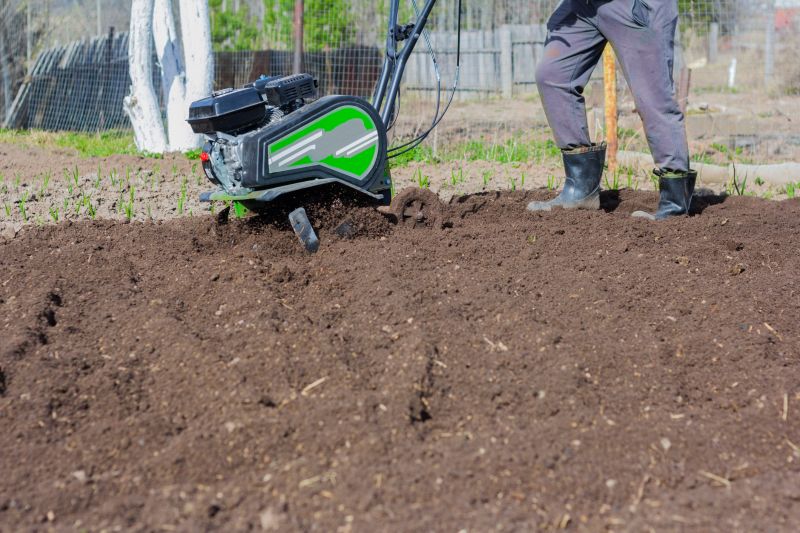
Small tweaks to make Lawn Rototillings safer and easier to use.
Lower-waste or water-saving choices for Lawn Rototillings.
Interested in scheduling lawn rototilling? Filling out the contact form provides an opportunity to discuss specific needs and timing options for optimal lawn health.